

Garage Door Buying Guide: Types, Materials, and Costs
Your garage door is the largest moving object in your home and often the biggest single element of your street facing facade, which is why this garage door buying guide starts with the decisions that matter rather than with catalogue photos. The right door balances security, insulation, appearance, and budget, and the wrong one announces itself every morning with noise, drafts, and a look that fights the rest of the house. Here is how to get it right the first time.
Start With How the Door Opens
Three mechanisms cover almost every residential garage. Sectional doors are made of horizontal panels that roll up along tracks and store parallel to the ceiling, and they dominate the market because they suit most garages without taking driveway space. Roll up doors coil into a compact drum above the opening, which suits garages with low or obstructed ceilings.
Side hinged doors swing open like a large pair of barn doors. They have made a comeback on period homes and on garages used mainly as workshops, since you can step in and out without lifting the whole door. They do need clear space in front, so they suit properties where nothing is parked tight against the opening.
Garage Door Buying Guide: Choosing a Material
Material shapes cost, maintenance, insulation, and how the door looks in five years. Four options cover the overwhelming majority of residential installations, and each suits a different set of priorities.
Steel
Steel is the default for good reason. It is strong, secure, affordable, and available with insulation, and modern finishes convincingly imitate wood grain. It resists warping in our heat and needs very little attention. Its weak points are denting from impact and, if a deep scratch is neglected, eventual rust.
Wood and Wood Composite
Nothing matches genuine wood for warmth and presence, particularly on craftsman and traditional homes. The trade off is real maintenance, since sun and moisture demand periodic sealing. Wood composite delivers a very similar look with substantially less upkeep, which is why it has taken over much of the premium end.
Aluminum and Glass
Full view aluminum and glass doors suit contemporary architecture and flood a garage with daylight. They are lightweight and rust resistant, though they insulate less well than solid options and offer little privacy without frosted glazing.
Insulation and R Value
Insulation is the specification most buyers skip and most regret skipping, especially on an attached garage.
When Insulation Matters
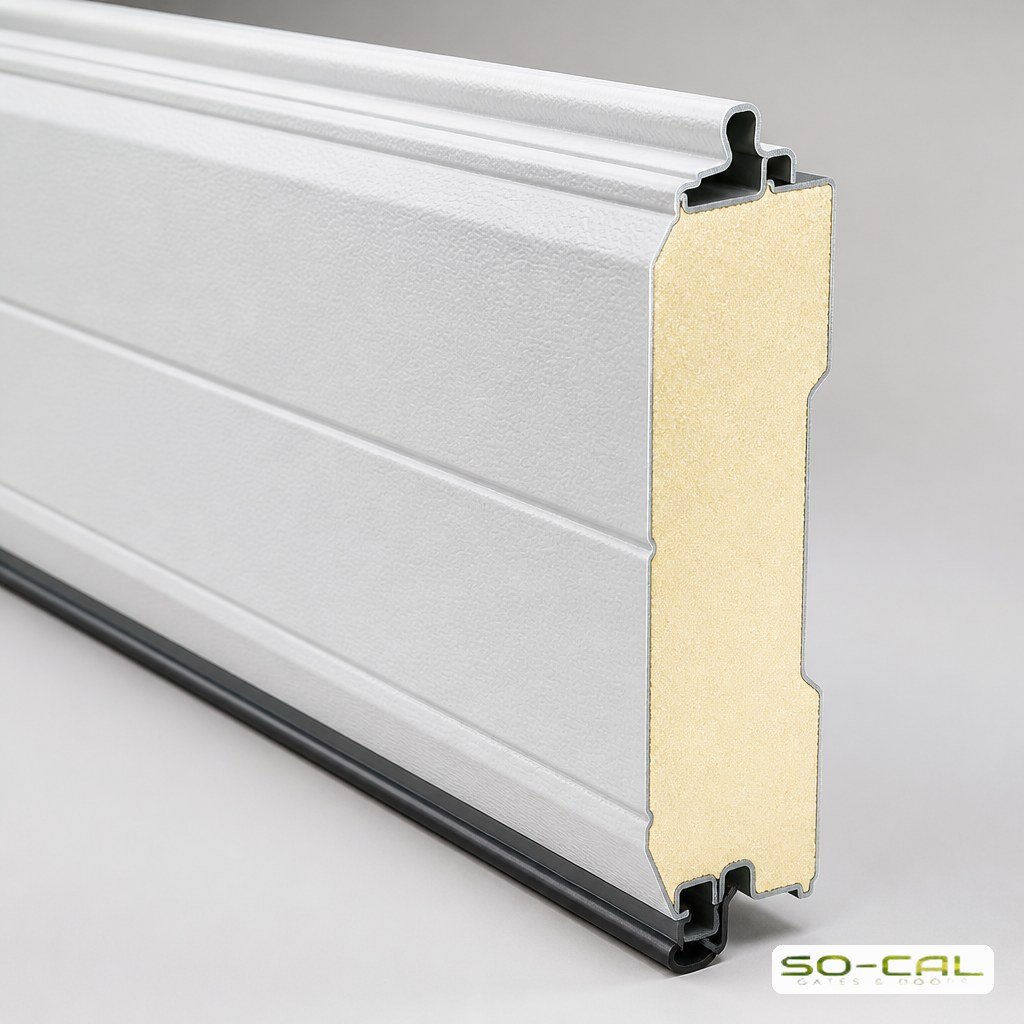
If the garage shares a wall with living space, faces afternoon sun, or doubles as a gym or workshop, an insulated door meaningfully improves comfort and reduces the heat pushed into the house. It also dampens street noise noticeably and stiffens the door, which makes it more dent resistant.
When It Does Not
A detached garage used purely for parking and storage rarely justifies the upgrade. A single layer steel door is perfectly sensible there, and the money is better spent on a quality opener or a better finish.
Reading R Values Honestly
Manufacturers quote R values that reflect the panel rather than the whole assembly, so two doors with the same number can perform differently once seals and construction are considered. Treat the figure as a guide for comparing within a brand rather than as an absolute promise.
Openers, Springs, and Safety
The door is only half the purchase. Openers come in chain, belt, and direct drive varieties, and belt drives are worth the modest premium on any garage attached to living space because they run dramatically quieter. Match the opener to the weight of the door, particularly if you are choosing insulated or wood construction.
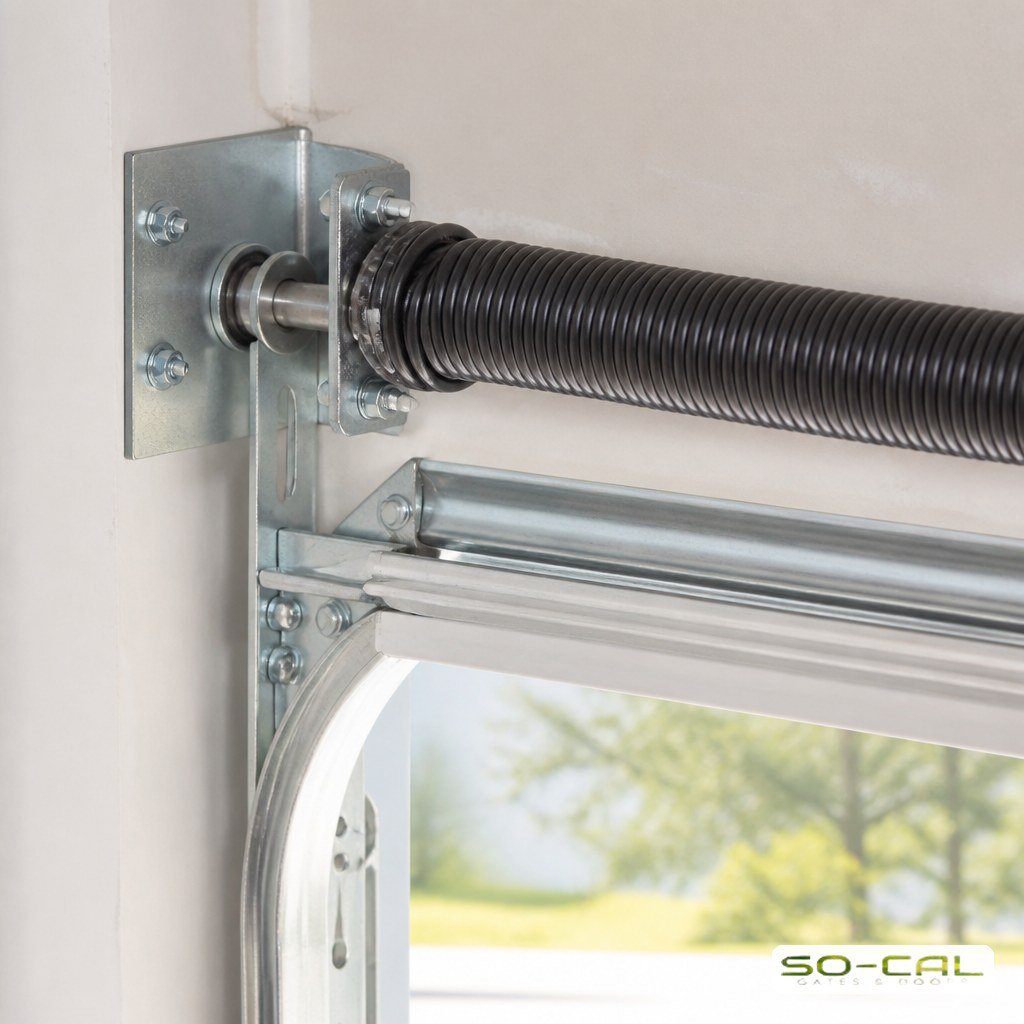
Springs deserve respect. They carry the entire counterbalanced weight of the door under extreme tension, and they are the component that makes garage door work genuinely dangerous for untrained hands. Auto reverse safety sensors are mandatory on modern installations, and testing them periodically is a two minute job that matters.
Style, Security, and Curb Appeal
Because the garage door often occupies a third of a home’s street frontage, its style carries real weight. Match panel design and color to your architecture rather than choosing in isolation, and consider how it sits alongside your entry door, home doors, and any gates or fencing at the property line.
On security, look for solid construction, quality locking hardware, and an opener with rolling code technology so the signal cannot be captured and replayed. Windows are attractive but place them high or choose frosted glazing if you would rather not advertise what is parked inside.
Budgeting and Installation
Budget for the whole system rather than the door alone: the door, hardware, opener, removal of the old unit, and professional installation. Spending a little more on insulation or a quieter opener is usually money better placed than on decorative upgrades you will stop noticing.
Installation is not a DIY project. Spring tension makes it genuinely hazardous, and correct track alignment, balance, and safety sensor setup determine whether the door runs smoothly for twenty years or becomes a recurring annoyance. Professional garage door installation also preserves manufacturer warranties that self installation typically voids.
Conclusion: Choosing a Garage Door That Lasts
Work through this garage door buying guide in order and the decision becomes straightforward: pick the mechanism your garage supports, choose a material that matches your maintenance appetite, insulate if the garage touches living space, size the opener to the door, and have it installed properly. Ready to compare options for your home? Call SO-CAL Gates and Doors for a free consultation and an honest recommendation.
Frequently Asked Questions
Which garage door material is best for Southern California?
Insulated steel suits most homes here, offering strength, low maintenance, and good thermal performance under sustained sun. Wood composite is the premium choice when you want a natural look without constant sealing, and full view aluminum suits contemporary architecture where daylight matters more than insulation.
Is an insulated garage door worth the extra cost?
For an attached garage, almost always. It reduces heat transfer into the house, dampens street noise, and stiffens the door so it resists dents better. For a detached garage used only for parking and storage, a single layer door is perfectly reasonable and the savings are better spent elsewhere.
How long does a garage door last?
A quality door commonly lasts fifteen to thirty years depending on material and maintenance. Springs and openers wear out sooner, typically every seven to twelve years with regular use, so expect to service or replace those at least once during the life of the door itself.
Can I keep my existing opener with a new door?
Often yes, provided the opener is in good condition and rated for the weight of the new door. Insulated and wood doors are heavier than the units they replace, so this needs checking rather than assuming. Installers confirm compatibility and adjust force and limit settings during fitting.
Why should a professional install a garage door?
Torsion springs hold enormous tension and cause serious injuries when handled without training. Beyond safety, correct track alignment, door balance, and auto reverse sensor setup determine how smoothly and safely the door operates. Professional installation also preserves warranties that self installation typically voids.