
Commercial Metal Doors: Fire Ratings, Repair and Service
Service entrances, stairwells, mechanical rooms and back-of-house corridors all tend to use the same thing: a steel door in a steel frame, chosen because it takes abuse and because it can carry a fire rating. For a property manager, commercial metal doors raise a different set of questions than residential doors do — what the door is rated for, what may and may not be modified, and what a repair actually involves when the door is part of a fire or egress assembly. This guide covers the practical side of specifying, maintaining and repairing them.
What Commercial Metal Doors Are Built For
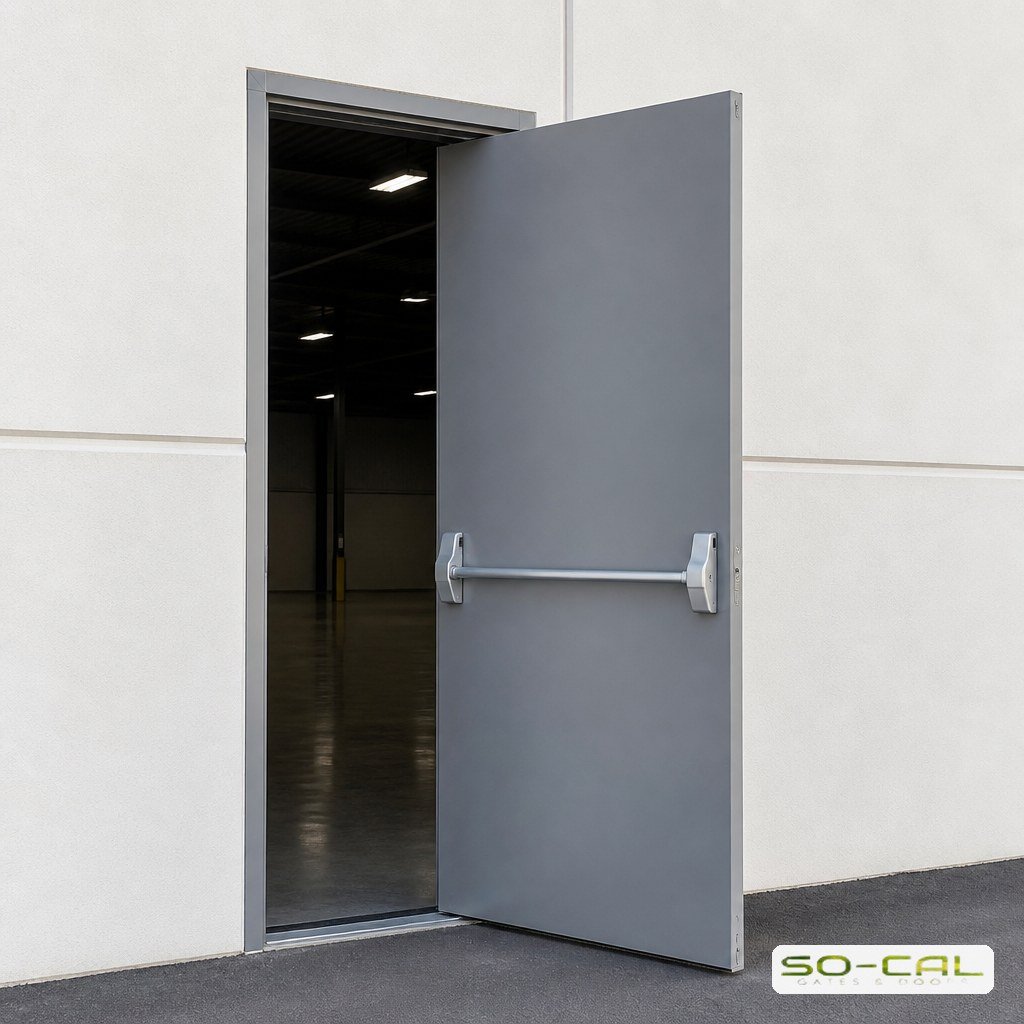
The common specification is a hollow metal door: two steel face sheets over an internal core, hung in a steel frame. It is not solid steel, and the core is a large part of what determines both its weight and its performance. The construction is chosen for durability first, then for the fact that it can be certified for fire resistance in a way most other door types cannot.
Two numbers describe most of what matters. The gauge of the steel face sheet indicates how much abuse the door will take before it dents — a lower gauge number means thicker steel. The core material affects insulation, sound and fire performance. A door on a busy loading area and a door on a quiet office corridor are genuinely different products even when they look identical.
Frames Matter as Much as Doors
The frame is a structural component, not trim. It carries the hinges, anchors into the wall, and on a rated assembly it is certified along with the door. Frames are where a surprising share of problems begin: an anchor working loose, a frame twisting slightly out of square, or a strike misaligning is enough to make a door bind, latch unreliably or fail to close on its own. Diagnosing a stubborn commercial door almost always means checking the frame before the door.
Fire Ratings and What They Mean
This is the area where commercial doors differ most from anything residential, and where the rules are least negotiable. A fire door is not simply a sturdy door — it is a certified assembly, and every part of it is part of that certification.
The Assembly, Not the Door
A rating applies to the door, the frame, the hinges, the closer, the latching hardware and any glazing, working together as one tested assembly. Swapping in a different closer, adding a lock that was not part of the listing, or cutting an opening into a rated door can invalidate the rating even though the door still looks and works fine. This catches people out constantly, because the modification usually seems minor.
Reading the Label
Every rated door and frame carries a label, and it is the only reliable source of truth about what you have.
Where to Find It
The door label is normally on the hinge edge, and the frame carries its own label on the hinge jamb. If either has been painted over, removed or is illegible, the assembly’s rating can no longer be verified by inspection — which in practice is treated the same as not having one. Keeping labels legible is a small maintenance habit with real consequences.
What the Label Tells You
It identifies the listing agency and the rating period the assembly was tested for. Different ratings are specified for different locations in a building, and which one belongs where is determined by the building’s design and applicable code — not by preference. If a door needs replacing, the replacement has to match what the original was specified to do.
The Modification That Quietly Voids Everything
Field-cutting a rated door or frame for a new lock, a viewer, a mail slot or a vision panel is the single most common way a rating is lost. Rated assemblies are prepared for hardware under controlled conditions, and cutting one on site is not equivalent. If new hardware is needed on a rated door, the correct route is a listed preparation or a replacement assembly, and it is worth confirming that before anyone reaches for a hole saw.
Egress Hardware and Access Control
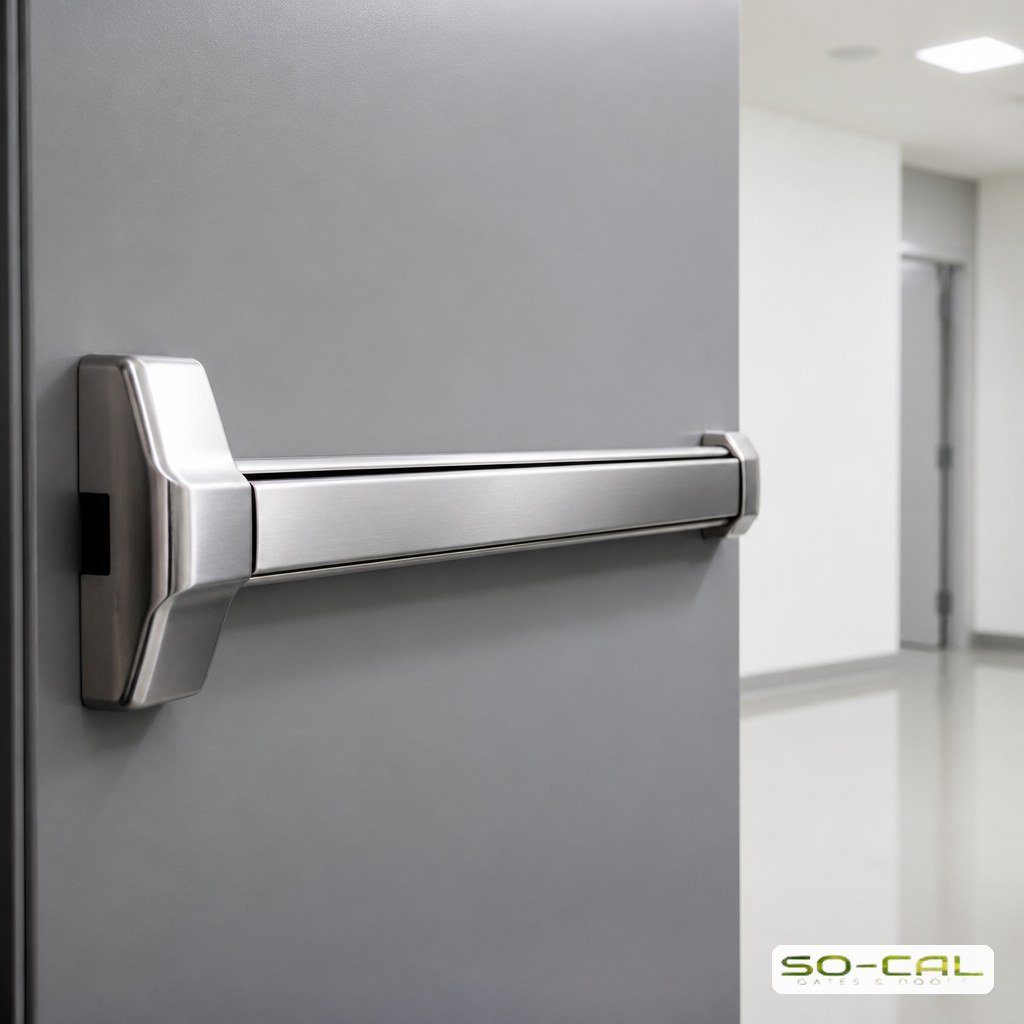
Doors on an egress path carry their own requirements, which exist so that people can always get out. Panic and exit devices allow a door to be opened with a single motion and without special knowledge, and they are matched to the door and its rating. Where a rated door also needs an exit device, the two are specified together rather than separately.
Access control adds a second dimension: securing entry while never impeding exit. Electrified hardware, maglocks and card readers all have to be arranged so that egress remains available, including on loss of power, which is why the interaction between the security scheme and the door hardware needs to be designed rather than assembled. Where an entrance combines a metal door with controlled entry, it belongs with the rest of the site’s commercial door service rather than being treated as a hardware purchase.
Repair, Adjustment and When to Replace
Most commercial door problems are adjustment rather than replacement, and they follow a predictable pattern because these doors are heavy and cycled constantly.
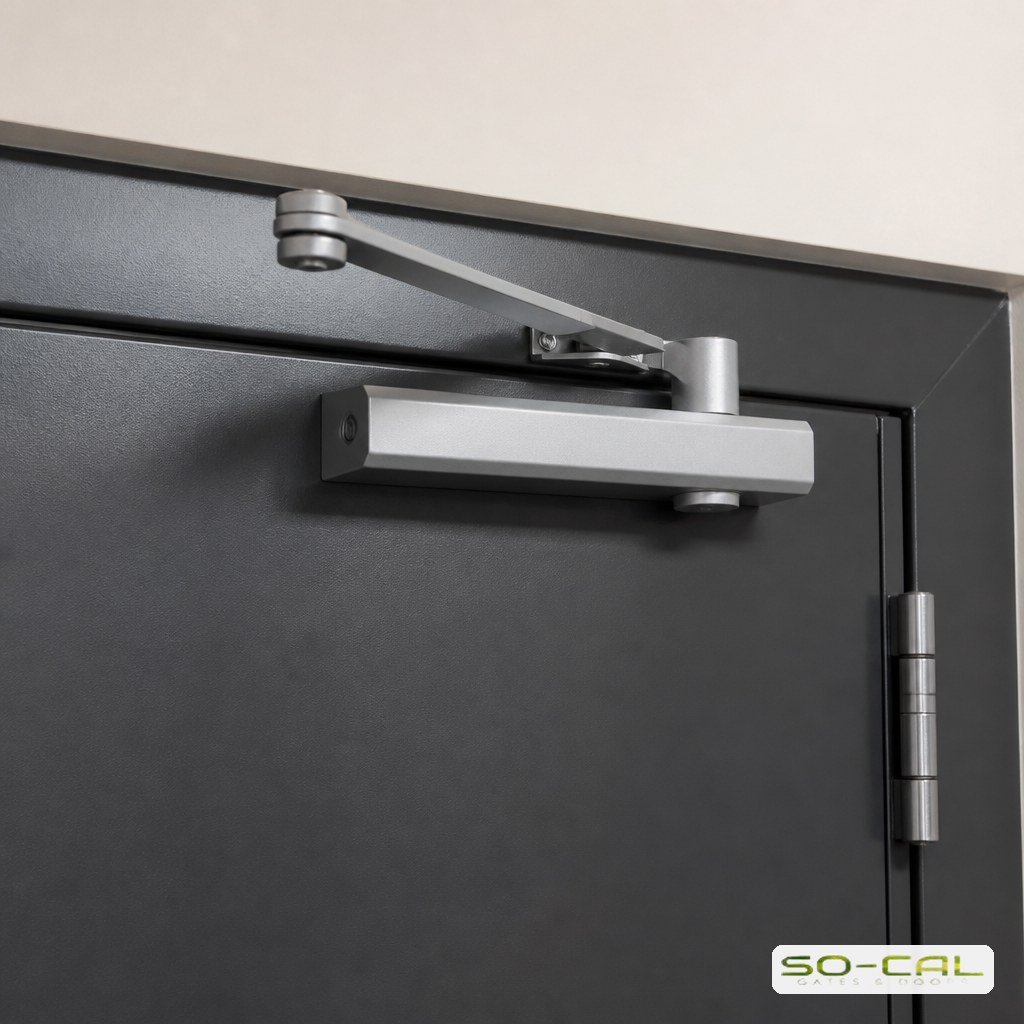
The usual complaints are a door that will not latch, one that slams or fails to close fully, one that drags on the floor, or hardware that has become stiff. Behind them are the same handful of causes: hinges worn or working loose, a closer out of adjustment or leaking, a strike that has drifted out of alignment, or a frame anchor that has moved. All are serviceable, and catching them early prevents the secondary damage that comes from a heavy door slamming or binding for months.
Replacement makes sense when the door or frame has been physically deformed by impact, when corrosion has eaten through the bottom of the door — common where floors get washed down — or when a rated assembly has been modified in a way that cannot be reversed. In that last case the decision is not really about condition. Doors of this type sit alongside hollow metal doors in most buildings’ specifications, and where a storefront or glazed entrance is involved as well, aluminum and glass door repair is usually part of the same maintenance conversation.
Conclusion: Check the Label Before You Change Anything
Commercial metal doors are straightforward to own provided one rule is respected: on a rated assembly, everything is part of the rating. Keep labels legible, treat the frame as seriously as the door, service closers and hinges before they cause secondary damage, and confirm before modifying anything that a change is permitted. Most faults are adjustments caught early. For commercial metal door service, repair or replacement across Riverside, Corona and the surrounding area, contact SO-CAL Gates & Doors to discuss what your building needs.
Frequently Asked Questions
How do I know if a door is fire rated?
Look for the label on the hinge edge of the door and on the hinge jamb of the frame. It identifies the listing agency and the rating. If the label has been painted over or removed, the rating cannot be verified by inspection, and in practice that is treated the same as not having one — which is why keeping labels legible matters.
Can I install a new lock on a fire rated door?
Only using hardware and preparation that are permitted for that assembly. Field-cutting a rated door or frame for hardware that was not part of the listing is the most common way a rating is lost. If new hardware is required, the route is a listed preparation or a replacement assembly, confirmed before any cutting takes place.
Why does my commercial door not latch properly?
Usually alignment rather than the lock. Worn hinges, a closer that is out of adjustment, or a strike that has drifted will all stop a door latching reliably. Because the frame carries the hinges and the strike, diagnosis should start there. Left alone, a door that does not latch is both a security and, on a rated assembly, a safety problem.
How often should commercial doors be inspected?
Doors on egress and fire-rated assemblies are typically subject to periodic inspection requirements, and the specifics depend on the building and the applicable code. As routine maintenance, checking closers, hinges, latching and seals at least annually catches most faults while they are still adjustments. Confirm the formal requirements that apply to your building with your inspector.
What causes rust at the bottom of a metal door?
Standing water and repeated floor washing are the usual culprits, which is why it shows up most in kitchens, plant rooms and wash-down areas. Once corrosion has gone through the face sheet the door is generally past economical repair. Ensuring drainage and sweeps are correct is the practical prevention.
Is a hollow metal door actually solid?
No, and the name is often misunderstood. A hollow metal door is two steel face sheets over an internal core, and that core is a large part of what determines insulation, sound and fire performance. The construction is what allows the door to be both durable and certifiable, which a genuinely solid slab would not achieve as economically.